2026 BMW X7 vs. 2026 Lincoln Navigator: Which Three-Row Luxury SUV Belongs in Your Driveway?
Choosing between the 2026 BMW X7 and the 2026 Lincoln Navigator really comes down to what you want out of a full-size SUV. Are you looking for a nimble, driver-focused luxury vehicle that happens to fit the whole family? Or are you after maximum scale, cavernous cargo space, and ultimate road-trip comfort?
While both represent the peak of three-row luxury, safety, and tech, they take completely different paths to get there.
The BMW X7 is engineered to feel surprisingly athletic and effortless on the road, despite its generous proportions. It balances BMW’s signature sharp handling with a calm, beautifully crafted cabin. The Lincoln Navigator, built on a truck-based platform, goes all-in on size—offering immense interior room, massive cargo potential, and imposing presence.
At McKenna BMW in Norwalk, we work with plenty of Southern California families cross-shopping these two heavyweights. The truth? Both are fantastic machines—it just depends on what your daily life demands. Here is how they stack up when you look closely at comfort, tech, performance, and everyday usability.
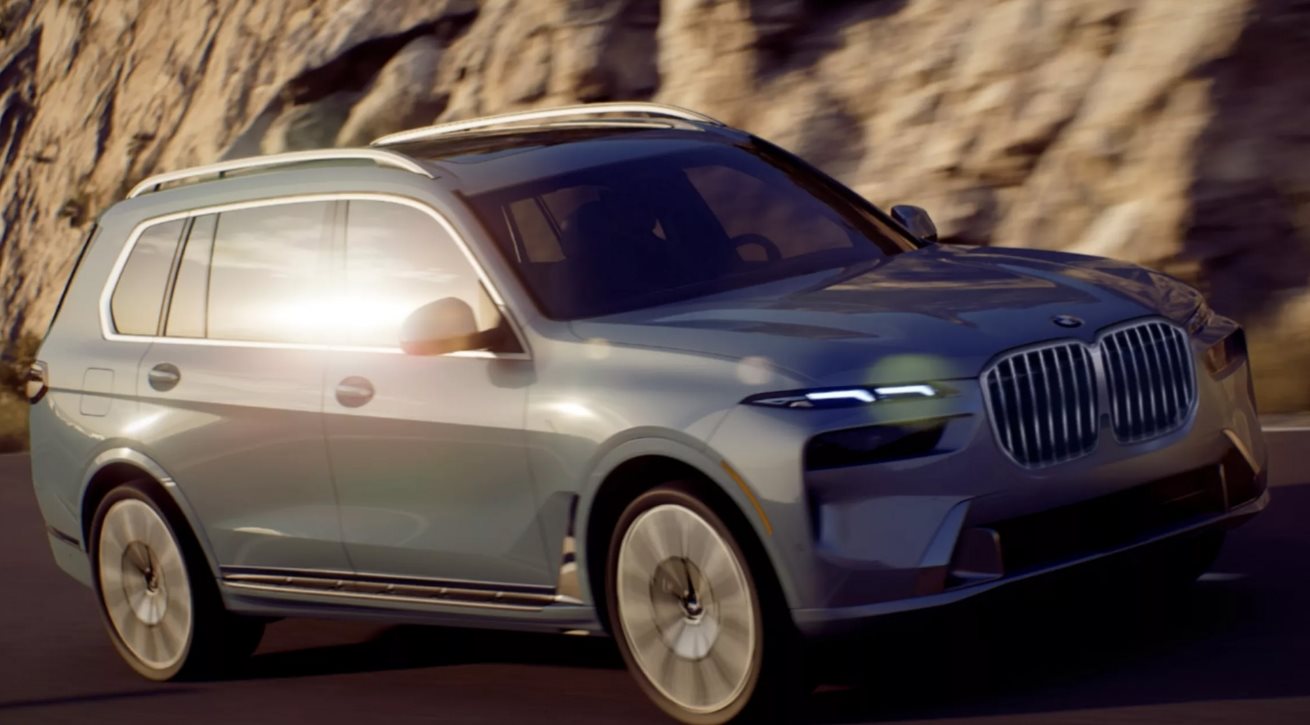
At a Glance: Key Highlights
- 2026 BMW X7: Built in Spartanburg, South Carolina, the X7 delivers modern, polished refinement. With standard xDrive all-wheel drive, adaptive air suspension, and a quick-shifting 8-speed transmission, it’s designed for drivers who want a true luxury vehicle that stays planted and composed through every curve.
- 2026 Lincoln Navigator: Designed around massive interior volume, the Navigator offers available seating for up to eight, a powerful twin-turbo V6, and a split tailgate. Opting for the long-wheelbase Navigator L adds nearly a foot of length, creating one of the largest cargo bays in the business.
Interior Comfort & Everyday Versatility
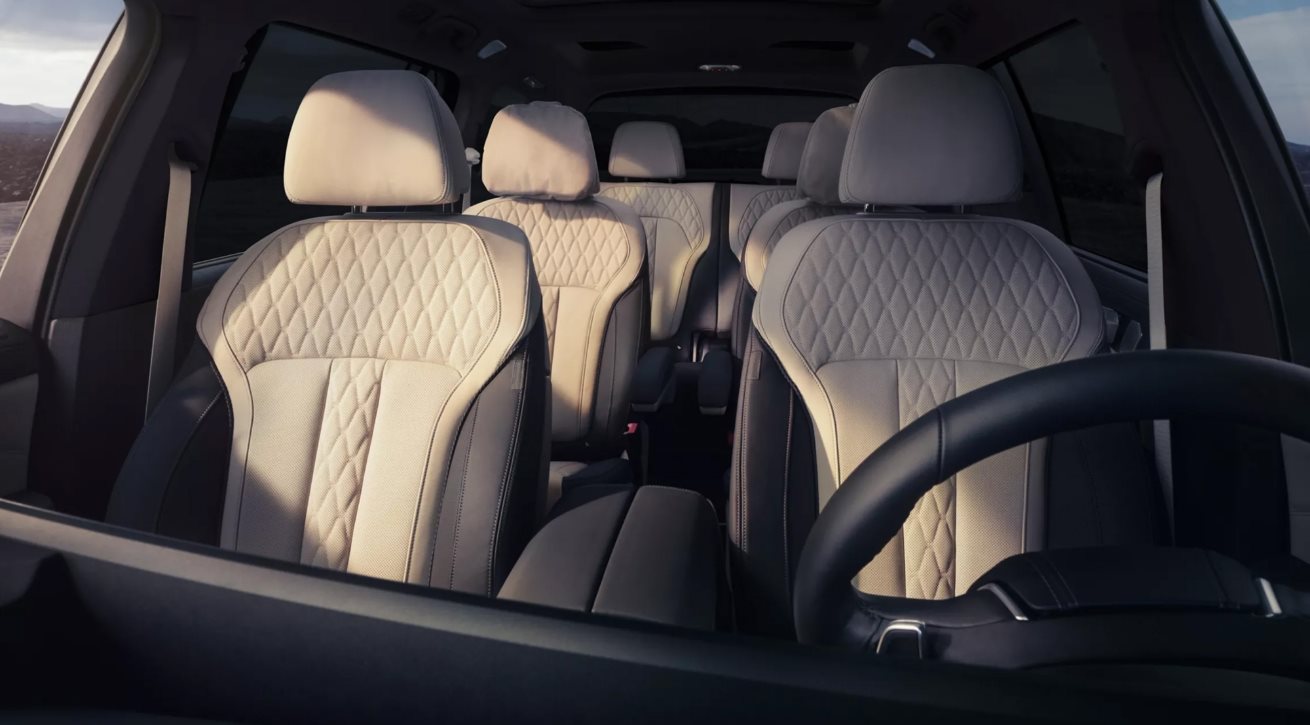
How a vehicle fits your daily routine matters far more than specs on paper. The 2026 BMW X7 offers seating for up to 7 standard, or 6 with 2nd-row captain’s chairs, featuring 39.8 inches of Row 1 legroom, 37.6 inches in Row 2, and 33.3 inches in Row 3. Cargo space starts at 12.8 cubic feet behind Row 3, expanding to 90.4 cubic feet with rear rows folded. Cabin highlights include a standard panoramic moonroof, four-zone climate control, and available ventilated or massaging Merino leather seats.
By comparison, the Lincoln Navigator seats up to 8 passengers with 22.9 cubic feet of standard cargo space behind the third row (expanding to ~37.4 cubic feet in the Navigator L, and over 103 cubic feet total). Key features include available 30-way Perfect Position front seats and a power-folding third row.
Driver Assistance & Safety Tech
Both brands pack their flagships with advanced driver aids designed to reduce stress on long highway drives and tight parking situations.
- BMW Active Driving Assistant (Standard): Includes blind-spot detection, frontal collision mitigation, and lane departure warning.
- BMW Highway Assistant (Available): Allows for hands-off highway driving at speeds up to 85 mph on supported roads, monitored by an attentive driver-facing camera.
- BMW Emergency & Evasion Features: Includes Evasion Aid for quick steering support during sudden braking, and Emergency Stop Assistant to safely pull the vehicle over if the driver becomes unresponsive.
- BMW Parking Assistant Professional: Features a 3D surround-view system and automated parking capabilities.
- Lincoln Navigator Tech: Offers BlueCruise hands-free driving, Evasive Steering Assist, Rear Automatic Braking, and a 360-degree camera system.
Performance & Technology
Under the hood and inside the dash, these two SUVs take very different approaches to modern driving.
- BMW X7 Tech Centerpiece: A sleek 14.9-inch curved display paired with a 12.3-inch digital gauge cluster running BMW Operating System 8.5. Includes wireless Apple CarPlay/Android Auto and standard wireless charging.
- BMW xDrive40i Engine: Smooth 3.0-liter turbocharged inline-6 delivering responsive power and impressive efficiency (21 city / 25 highway MPG).
- BMW M60i Engine: Twin-turbo 4.4-liter V8 for drivers who want effortless passing power and V8 rumble (16 city / 20 highway MPG).
- BMW Audio Options: Available 16-speaker Harman Kardon or benchmark 20-speaker Bowers & Wilkins system.
- Lincoln Navigator Performance: Powered by a twin-turbo 3.5-liter V6 making 440 hp and 510 lb-ft of torque (15 city / 22 highway MPG) with up to 8,700 lbs of towing capacity and a 48-inch display screen.
Which Luxury SUV Belongs in Your Garage?
While both vehicles offer first-class luxury, they appeal to two distinct driving styles:
- Drive the BMW X7 if you want an elevated, driver-centric luxury SUV that handles like a smaller vehicle, offers superior fuel economy, fits comfortably in standard garages, and provides top-tier cabin materials.
- Drive the Lincoln Navigator if your main priorities are maximum interior cargo space, standard seating for eight, or heavy-duty towing capacity.